

Facing a dental infection is a stressful experience. Fortunately, a root canal treatment offers a reliable way to achieve lasting relief. It is a common procedure that helps prevent permanent tooth loss, allowing you to keep your natural smile complete and healthy for a lifetime. The cause of tooth infection and damage When bacteria enter the soft center of a tooth, it causes inflammation and discomfort. This internal area contains the nerves and blood vessels that help the tooth grow. Unlike a small cavity that only affects the outer enamel, an internal infection does not heal on its own. If a dental professional does not intervene, the bacteria continue to multiply and eventually attack the surrounding jawbone. This process can lead to an abscess, which is a painful pocket of infection at the base of the root. If the dentist does not remove diseased tissue, the tooth will gradually loosen and fall out. In some cases, the tooth may die, appearing gray or black. What to expect during a root canal A root canal procedure focuses on removing infected or inflamed pulp from inside the tooth. The dental team begins the appointment by administering a local anesthetic to ensure the area is completely numb and the patient remains comfortable throughout the procedure. Some dental practices also offer sedation options for patients who feel anxious about the procedure. Once the patient is numb, the dentist creates a small opening in the crown to access the pulp chamber. Specialized instruments are used to remove bacteria and damaged tissue. They can then shape the inner canals and disinfect the space. Once the canals are thoroughly cleaned and disinfected, the dental team fills them with a biocompatible material that seals the space and prevents reinfection. The tooth is then restored with a filling or crown to strengthen its structure and restore normal function. How root canals prevent permanent tooth loss Permanent tooth loss can result from infection destroying the pulp and weakening the surrounding bone. Each tooth helps support the ones around it and balances the forces when you chew. If a patient loses a tooth, it can cause other teeth to shift, leading to misalignment, bite issues, and bone loss in the jaw. A root canal helps prevent these complications by preserving the natural tooth and reducing the need for complex procedures such as implants or bridges. Removing the infected tissue also stops the spread of bacteria and protects the soft tissue structures. A well-treated tooth can last many years, sometimes a lifetime, with proper care. The long-term benefits of saving a natural tooth Keeping the original tooth through a root canal is the ideal outcome because it maintains the natural alignment of the patient’s mouth and prevents bone loss. Several long-term benefits of saving a natural tooth with a root canal include: Maintaining clear speech Supporting natural facial structure Efficient chewing and biting Reinforcing strength and function Limiting the spread of infection to other areas of the mouth Addressing dental issues when they first arise reduces overall health risks and minimizes the likelihood of future complications. The patient can also avoid the need for more complex tooth replacement options later. Learn more about root canal treatment at our office Choosing a root canal is a smart investment in your future health and confidence. When you act quickly, you can avoid the pain and complications of losing a tooth. Call our Converse office today to learn more about root canal treatment or to schedule an appointment. Request an appointment here: https://thelightfamilydental.com or call The Light Family Dental & Implant Dentistry at (210) 987-3011 for an appointment in our Converse office. Check out what others are saying about our dental services on Yelp: Root Canal in Converse, TX.

Ask a General Dentist: What Is the Difference Between Plaque and Tartar?
During routine checkups, general dentists often take the time to explain the difference between plaque and tartar. Both involve bacterial growth, but at different stages. Plaque is a soft film that can be easily removed by brushing, while tartar is a hardened deposit that adheres to the enamel like cement. Knowing more about these substances and how they build up on the teeth can make it easier to care for your smile. The daily battle against plaque Plaque is a soft, sticky, and colorless film of bacteria that forms on the teeth almost constantly. It develops when saliva mixes with food particles, specifically sugars and starches. Plaque clings to the enamel, usually around the gumline, forming a sticky film that feels fuzzy to the tongue. Fortunately, patients can remove plaque easily with daily brushing and flossing. This prevents the plaque from hardening into tartar, which is the primary cause of tooth decay and early gum irritation. When plaque becomes tartar If plaque stays on the teeth, it can mineralize into tartar — also known as dental calculus — within 48 hours. This is because the minerals found naturally in saliva, such as calcium and phosphate, seep into the soft plaque and cause it to calcify into a cement-like deposit. Note that tartar often appears as a yellow or brown stain, particularly along the lower front teeth or near the gumline. Once tartar forms, it cannot be removed with a toothbrush or floss. Instead, it must be scaled off the teeth. A general dentist and their team can do this safely, without damaging the underlying enamel, during a dental cleaning. The underlying harm of tartar Tartar acts much like a barnacle on a ship. Its surface is rough and porous, which creates an ideal foothold for even more plaque to attach to. As a result, it creates a destructive cycle where the hardened tartar protects new bacteria from being brushed away. The presence of these deposits keeps the gums constantly inflamed. This leads to the redness, swelling, and bleeding that characterize early-stage gum disease (gingivitis). When left untreated, the gum disease can eventually progress into an irreversible stage: periodontitis. When left untreated, the supporting bone begins to break down. Proactive habits to interrupt the cycle of plaque and tartar Preventing the transition from plaque to tartar is the most effective way to protect oral health. Since mineralization happens quickly, consistency is more important than the intensity of brushing. A general dentist often recommends timed brushing, as brushing for at least two minutes ensures that all surfaces of the molars and the gumline are cleared of plaque. Patients should also floss their teeth at least once a day, as this is the only way to remove the plaque that hides along the gumline, where the brush cannot reach. Additionally, drinking plenty of water throughout the day and after meals helps rinse away the food particles that can lead to plaque growth. Even with consistent oral hygiene, some tartar buildup is normal. Factors such as genetics, dry mouth, and the saliva pH can all influence how quickly a person develops tartar. Getting dental cleanings every six months remains important for removing tartar. Regular visits also allow the dental team to polish the teeth, brightening the smile and protecting it from future plaque buildup and gum inflammation. Contact a general dentist Have you noticed plaque or tartar buildup? It may be time for a dental cleaning. Schedule yours with our general dentist at The Light Family Dental & Implant Dentistry today. Request an appointment here: https://thelightfamilydental.com or call The Light Family Dental & Implant Dentistry at (210) 987-3011 for an appointment in our Converse office. Check out what others are saying about our dental services on Yelp: General Dentist in Converse, TX.
3D Dental Scans vs. X-Ray: Important Differences to Know
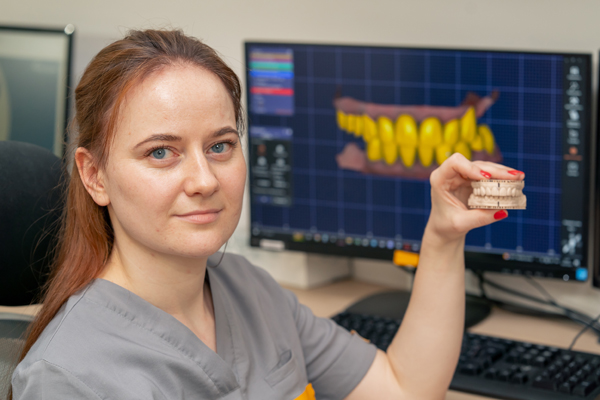
Staying informed about dental imaging options empowers patients to make better decisions about oral health. A 3D dental scan and a traditional dental X-ray both help dentists visualize structures beneath the surface, but these tools function differently and offer unique advantages. Understanding how they compare may help patients feel more confident during exams and treatment planning. What is a 3D dental scan? A 3D dental scan uses cone beam computed tomography (CBCT) to capture detailed, three-dimensional images of the teeth, bone, sinuses, and jaw joints. Unlike traditional X-rays, which provide only flat, two-dimensional views, 3D dental scans offer a more complete view of the oral and maxillofacial structures from multiple angles. This technology is especially useful for procedures such as dental implants, root canal evaluations, and bone density assessments. Since the scan delivers highly precise images, a dentist can evaluate structures with greater accuracy. A 3D dental scan is often crucial for planning surgical treatments or diagnosing complex conditions that standard X-rays may not fully reveal. How traditional X-rays work Traditional X-rays use a small dose of radiation to capture two-dimensional images of the teeth and surrounding bone. They are quick, painless, and suitable for routine dental visits. Dentists use bitewing, panoramic, and periapical X-rays to identify cavities, infections, or changes in bone density over time. While useful for general exams and early detection, traditional X-rays offer less detail than 3D scans. They cannot show cross-sectional images or give exact measurements of bone or tissue depth. Comparing use cases Each imaging tool has its ideal purpose. For example, a 3D dental scan is well-suited for advanced diagnostics, such as detecting impacted teeth, cysts, or structural abnormalities. Traditional X-rays, on the other hand, are best used during regular checkups to monitor teeth and detect decay or minor issues. Choosing between these methods depends on the nature of the concern. A general dentist may recommend one over the other depending on the level of detail needed for accurate planning or diagnosis. Differences in accuracy and detail A key difference between a 3D dental scan and a traditional X-ray lies in the level of precision. A 3D scan allows the dentist to view the anatomy from all directions, reducing guesswork in treatments such as implant placement or surgical extractions. It also improves safety by helping avoid nerves and blood vessels during procedures. Traditional X-rays offer a simpler and faster approach but may not capture enough information when conditions involve the jaw, sinuses, or deep-rooted infections. This limitation could lead to delays in treatment or the need for additional imaging. Safety considerations Both types of imaging involve radiation, but modern technology significantly reduces exposure. A 3D dental scan delivers slightly more radiation than a standard X-ray, though it remains within safe diagnostic limits. Dentists use protective measures and only recommend imaging when clinically necessary. Call us for more information Choosing the right imaging method depends on the treatment plan and the condition. Our general dentist can explain whether a 3D dental scan or a traditional X-ray provides the most helpful information for each case. For more information or to schedule a visit, contact our office today. Request an appointment here: https://thelightfamilydental.com or call The Light Family Dental & Implant Dentistry at (210) 987-3011 for an appointment in our Converse office. Check out what others are saying about our services on Yelp: Read our Yelp reviews.
5 Facts You Need to Know About All-on-4 Implants
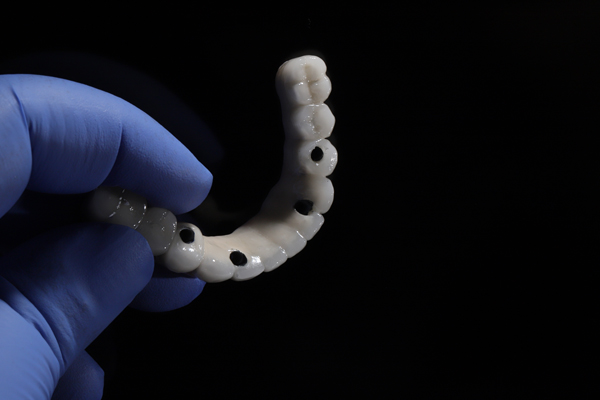
All-on-4 implants represent a modern approach to full-arch tooth replacement, offering stability, efficiency, and long-term oral function. This treatment concept has transformed restorative dentistry by combining surgical precision with prosthetic innovation. The following five facts explain why this solution continues to gain attention among dental professionals and patients seeking comprehensive tooth replacement options. 1. All-on-4 implants use strategic implant placement All-on-4 implants rely on four dental implants placed at carefully angled positions within the jawbone. Two implants are positioned vertically in the front of the jaw, while the remaining two are angled toward the back. This configuration maximizes contact with available bone and improves overall stability. The angled placement often eliminates the need for bone grafting, even in cases of moderate bone loss, making the procedure accessible to a wider range of candidates. 2. All-on-4 implants support a full arch of teeth Unlike traditional implant methods, which may require 6 to 8 implants per arch, all-on-4 implants support an entire set of prosthetic teeth with only four anchors. This efficiency reduces the complexity of the surgery while maintaining the strength and durability of the replacement tooth. The prosthetic arch distributes bite forces evenly across the implants, supporting daily functions such as chewing and speaking without compromising comfort or performance. It also reduces wear on the prosthetic and any remaining natural teeth. 3. All-on-4 implants maintain natural bone and facial structures Missing multiple teeth and long-term denture use can lead to bone tissue loss in the jawbone over time. Meanwhile, dental implants stimulate the bone in a way similar to tooth roots, preserving volume and density. All-on-4 implants further this benefit across an entire arch of teeth, helping patients maintain the natural contours of their face and preventing the sunken appearance that can develop when teeth are missing. With all-on-4 implants, patients can maintain their facial symmetry and overall appearance. 4. All-on-4 implants provide long-term durability All-on-4 implants are designed for longevity when supported by thorough treatment planning, materials, and regular maintenance. The implants themselves typically contain biocompatible titanium, which integrates with bone over time in a process known as osseointegration. The final prosthetic teeth are fabricated from durable materials designed to withstand daily wear from regular chewing and biting. 5. Maintaining all-on-4 implants is different than traditional dentures All-on-4 implants function as a fixed restoration rather than a removable appliance. This design improves stability and eliminates issues such as slipping or discomfort commonly associated with traditional removable dentures. Regular care and maintenance focus on professional cleanings and consistent oral hygiene routines, similar to natural teeth. Regular evaluations by a dental professional support implant health and help preserve surrounding tissues, contributing to better long-term outcomes. Schedule a consultation at our Converse office All-on-4 implants offer an effective solution for full-arch tooth replacement through strategic design and surgical techniques. By reducing the number of implants required while maintaining strength and the appearance of natural teeth, this approach reduces the need for other procedures. Are you curious if you qualify for all-on-4 implants? Call our Converse office to learn more about our implant dentistry services or to schedule a consultation. Request an appointment here: https://thelightfamilydental.com or call The Light Family Dental & Implant Dentistry at (210) 987-3011 for an appointment in our Converse office. Check out what others are saying about our dental services on Yelp: All-on-4 Dental Implants in Converse, TX.
Restore Your Smile With Dental Veneers
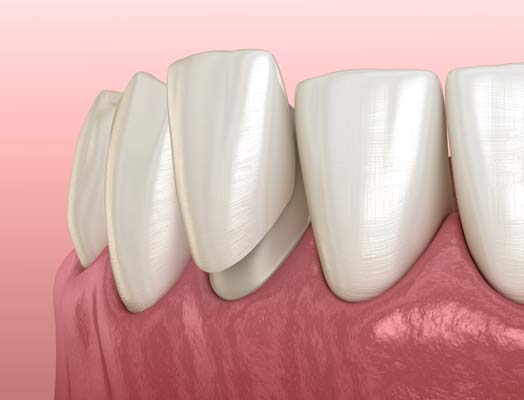
Dental veneers create a brighter, more uniform smile and often help correct cosmetic concerns that make teeth look uneven or worn. Many patients want improvements that look natural while still enhancing confidence in everyday settings. Veneers offer a versatile option for refining color, shape, and symmetry in some cases without extensive orthodontic treatment. A dentist can evaluate goals and recommend a veneer plan that fits the smile and facial features. What dental veneers are and how they improve aesthetics Dental veneers are thin shells that bond to the front surfaces of teeth to enhance appearance. They can improve the look of discoloration, minor chips, small gaps, and slightly misaligned teeth. Considering veneers cover only the visible surface, they deliver a focused cosmetic change while maintaining a natural tooth-like look. When designed with precision, a general, cosmetic, or family dentist delivers veneers that blend smoothly with surrounding teeth and support a balanced smile. Many patients choose dental veneers because the results look polished without appearing artificial. Veneers can also create the appearance of more even tooth edges and consistent proportions. This type of enhancement often complements other cosmetic options, such as teeth whitening or gum contouring, depending on the treatment plan. A dentist helps determine which teeth benefit most to achieve a harmonious outcome. Common concerns dental veneers can address Cosmetic concerns vary from one patient to another, but veneers often address several issues at once. Stains that resist whitening, uneven tooth shapes, and minor surface defects can make a smile look less consistent. Small fractures and worn edges may also affect overall appearance, especially on front teeth. Veneers help create a smooth, uniform surface that reflects light more evenly. Spacing concerns also lead many general, cosmetic, or family dentists to recommend veneers. Small gaps between teeth can be closed by adjusting the width and contour of the dental veneers, improving symmetry. Slight rotations or mild crowding sometimes become less noticeable when veneers reshape the visible tooth surfaces. A dentist evaluates bite and alignment to ensure that the veneers support both appearance and function. What to expect during the dental veneers The veneer process begins with a consultation that focuses on goals, oral health, and smile design. The general, cosmetic, or family dentist examines the teeth and gums to confirm they are healthy enough for veneers and discusses shade, shape, and overall expectations. They use digital imaging, photos, or diagnostic models to plan the final look with greater accuracy, ensuring the results match facial proportions and desired aesthetics. In many cases, the dentist prepares the teeth by removing a small amount of enamel to create space for the veneers. They then use the aforementioned impressions or digital scans to create restorations that fit precisely and look natural. Once the veneers are ready, the dentist checks their fit and shade before bonding them securely to the teeth. After placement, small adjustments help refine bite comfort and ensure a smooth, natural feel. Schedule a consultation Dental veneers offer a refined, natural-looking solution for improving tooth color, shape, and symmetry. When carefully planned by a dentist, they can address multiple cosmetic concerns while enhancing comfort. If you are interested in learning more about this cosmetic treatment or scheduling a consultation, contact The Light Family Dental & Implant Dentistry today. Request an appointment here: https://thelightfamilydental.com or call The Light Family Dental & Implant Dentistry at (210) 987-3011 for an appointment in our Converse office. Check out what others are saying about our dental services on Yelp: Dental Veneers and Dental Laminates in Converse, TX.